Rust solo survival shows how one player outplays clans with a 2x1 bunker and oil rig runs
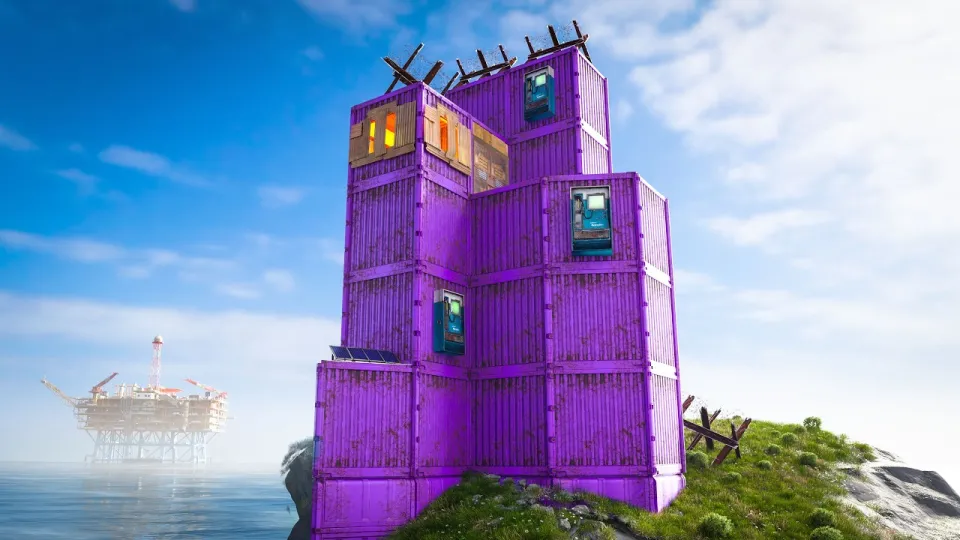
Video: A Solo's Will to Thrive V5 - Rust
Need articles like this for your video? They help promote it on YouTube and Google — order them in the Telegram bot @sat_sit_bot. It writes articles around your video, embeds the video and publishes them on popular niche websites (no ads). Free trial — 50 articles.
· based on the channel Oilrats
Rust solo survival is a numbers game that a single player wins by controlling information, base layout and timing rather than by taking fair fights. The Oilrats video “A Solo's Will to Thrive V5” follows one player through a solo wipe day: a 2x1 bunker start, repeated Large Oil Rig runs, and a raid defense where six attackers with two M2s and a dedicated rocket PvPer still fail to finish the job. Viewers who want the same gear setup can grab the creator's mousepad drop at the Oilrats EpicDesk product page.
The core lesson is simple: on a fresh wipe, the solo who reaches a compact, cheap, defensible base and a high-tier monument first sets the pace for everyone nearby.
Why a 2x1 bunker is still the default Rust solo start
A 2x1 bunker is the cheapest way to convert early farm into a base that punishes raiders far above its cost. The footprint is small enough to hide, the bunker hides loot behind a false wall or a drop-down, and the upkeep stays low enough that a solo can keep it running while spending time on monuments instead of farming stone.
Regular viewers of the channel point out that the run almost always opens with the same line about starting a 2x1, and that repetition is the point. The pattern works because it compresses three needs into one build:
- Low raid cost. A 2x1 needs few doors and walls, so attackers must spend explosives for very little loot.
- Fast rebuild. After a raid, the same spot can be repaired or replaced without a second farming session.
- Small target profile. Neighbours notice big compounds; a single small base with a bunker draws less attention on wipe day.
On a busy server, the first hours decide whether a solo spends the wipe reacting to clans or farming Large Oil Rig on their own schedule.
Large Oil Rig runs as the solo loot engine
Large Oil Rig is the video's main source of guns, components and scrap, and it is the reason a solo can fight clans at all. The monument gives heavy crate loot and elite scientists, but the real advantage is verticality: multiple levels, ladders and water exits let one player break line of sight against a group that expects a straight fight.
The extraction is the part viewers single out. The edit cuts from a jump off the rig directly into swimming up to a boat, and the underwater audio muffles and then returns at the surface. That detail matters beyond style: it shows the actual solo routine of parking a boat out of sight, clearing the monument, and leaving by water before a counter-crew arrives.
A practical Large Oil Rig loop for a solo looks like this:
- Scout the approach from the water and check for parked boats or a heli before committing.
- Clear scientists floor by floor and keep an escape ladder or water exit in mind at every level.
- Move loot to the boat in stages instead of carrying everything at once.
- Leave by water, not by the main stairs, and never re-enter the same route twice in a row.
The 1v6 raid defense and what rocket PvP actually costs raiders
A six-man raid on a solo base is the moment the video builds toward, and the outcome is the argument for compact base design. The attackers bring numbers, two M2s and a player dedicated to rocket PvP, meaning someone whose job is to fire rockets at defenders rather than break walls. That is a large investment for a small target, and it still does not convert into a clean raid.
Viewers read the result two ways. Some call the rocket PvP shameful for the attacking side, since a group that size should not need explosives aimed at a single defender. Others point out that bringing six players and heavy weapons to a solo base and losing the fight is the most embarrassing possible outcome. Both readings lead to the same conclusion: numbers only matter when attackers can apply them, and a defender who peeks, retreats and repositions inside a small base denies that.
For a solo, the defense checklist is short:
- Know every doorway and drop in your own base, including the ones raiders will not expect.
- Hold angles that force attackers into rocket range of their own teammates.
- Keep a second exit so a breached wall is not a death sentence.
- Use sound: a rocket reload is a window to push or reposition.
What solo players can copy from a wipe-day run
Wipe day rewards speed and discipline more than mechanical skill, and the structure of this run reflects that. The solo does not fight clans in the open; the solo farms a contested monument, keeps a base that is not worth the explosives, and defends from angles the attackers have to guess.
Three habits stand out as transferable:
- Pick one monument and learn it cold. Large Oil Rig is chosen here because it pays in weapons and components, and repetition turns the layout into muscle memory.
- Treat your base as a weapon. A 2x1 bunker is not just storage; it is the terrain you choose for a defense.
- Accept that raids are inevitable and plan the response. The video's defense works because the base was built to be defended, not just to be lived in.
Common questions about solo Rust survival
Solo play raises the same doubts every wipe, and the audience discussion around this video surfaces most of them. The recurring theme is whether a solo can realistically hold loot against groups, and the answer depends on base cost, monument access and how quickly the player moves loot out of contested areas.
A second theme is gear. A solo does not need a full kit to defend a small base; a cheap gun, meds and knowledge of the layout often beat a group that has to coordinate through walls. A third is time: farming Large Oil Rig repeatedly is only viable when upkeep is low enough that the solo is not chained to a quarry or a hemp field.
Useful links
- Oilrats mousepad drop on EpicDesk
- Twitch: https://www.twitch.tv/oilrats
- TikTok: https://www.tiktok.com/@oilrats
- Discord: https://discord.gg/hrvWH8r9bS
- Twitter: https://twitter.com/OilratsRust
The takeaway from a solo wipe-day story
The value of “A Solo's Will to Thrive V5” is that it documents a repeatable pattern rather than a lucky run: cheap 2x1 bunker, contested monument farming, and a defense built around the base instead of around gear. The 1v6 raid defense is the proof, but the setup before it is what makes the defense possible. The Oilrats channel presents this as an edited solo wipe-day story, cut by purpluu and mammoth, and it works as a practical reference for anyone playing Rust without a group. If you want to support the creator, the mousepad drop is available at the EpicDesk store page.
Key takeaways
- The solo run starts from a 2x1 bunker, the compact base pattern Oilrats returns to almost every wipe.
- Large Oil Rig is the main loot source, with a dive-and-swim extraction that the edit cuts into one continuous shot.
- A 1v6 raid defense anchors the video: six attackers with two M2s and a dedicated rocket PvPer fail to break a solo base.
- Only one kill in that defense came from someone other than the defenders' heavy hitters, per viewer breakdowns.
- The video is a solo wipe-day story edited by purpluu and mammoth, published on the Oilrats channel.
Source: A Solo's Will to Thrive V5 - Rust · Markdown version
Questions & answers
Can a solo player really defend a base against six raiders in Rust?
Yes, if the base is cheap and built for fighting. A small 2x1 bunker forces attackers to spend explosives for little loot and compresses the fight into doorways where numbers cannot be applied at once. The defender also knows every angle, which offsets the attackers' gear advantage.
Is Large Oil Rig worth farming as a solo?
It is one of the best solo monuments because it pays in guns, components and scrap, and its vertical layout lets one player break line of sight. The catch is that the run only works with a hidden boat, staged loot movement and a water exit instead of the main stairs.
Why do so many solo players start with a 2x1 bunker?
It is the cheapest base that still protects real loot. Few doors and walls mean a low raid cost, upkeep stays manageable, and the small footprint draws less attention from clans than a compound. It can also be rebuilt quickly after a raid.
What is rocket PvP and why does it matter in a raid?
Rocket PvP means using rockets against players rather than structures, usually to flush a defender out of a strong angle. Against a solo base it is an expensive tactic, and if it fails the attacking group has burned explosives and exposed itself for very little gain.